230 GSM Cotton T-Shirts
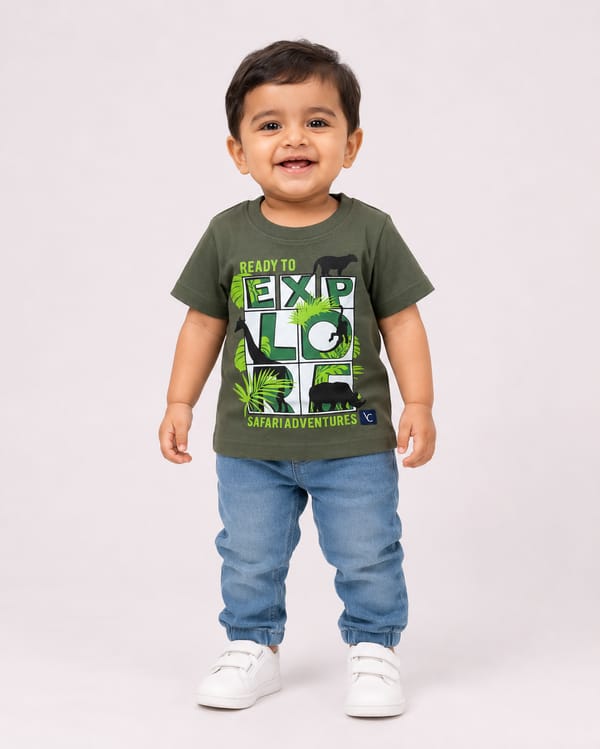
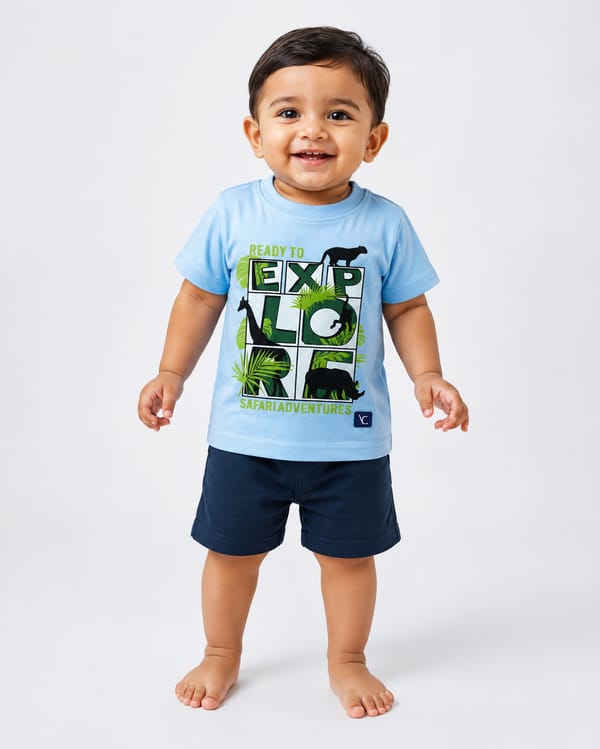
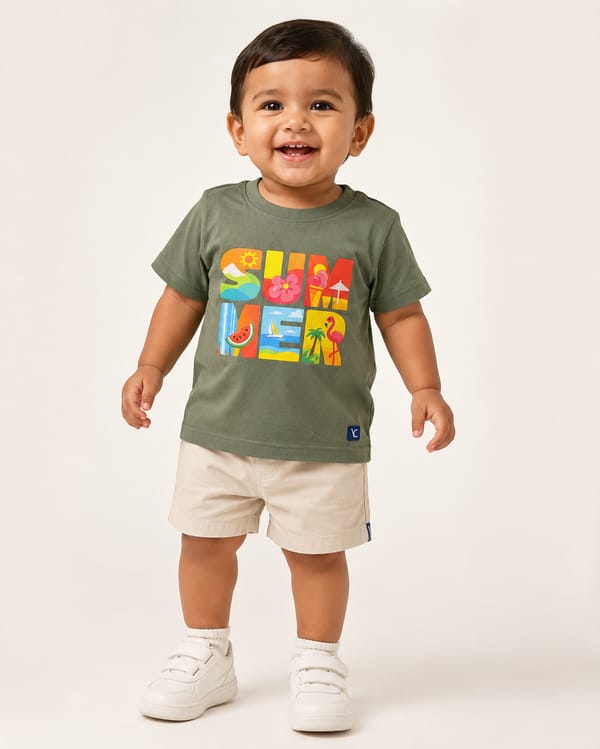
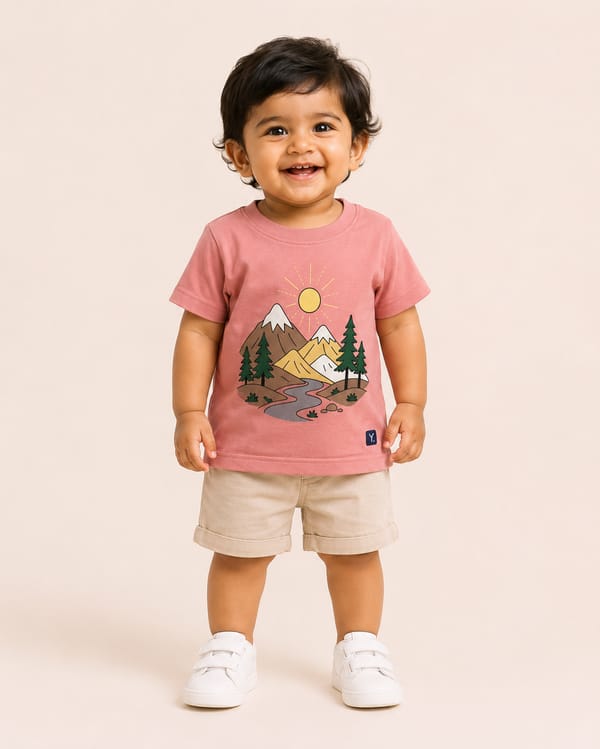
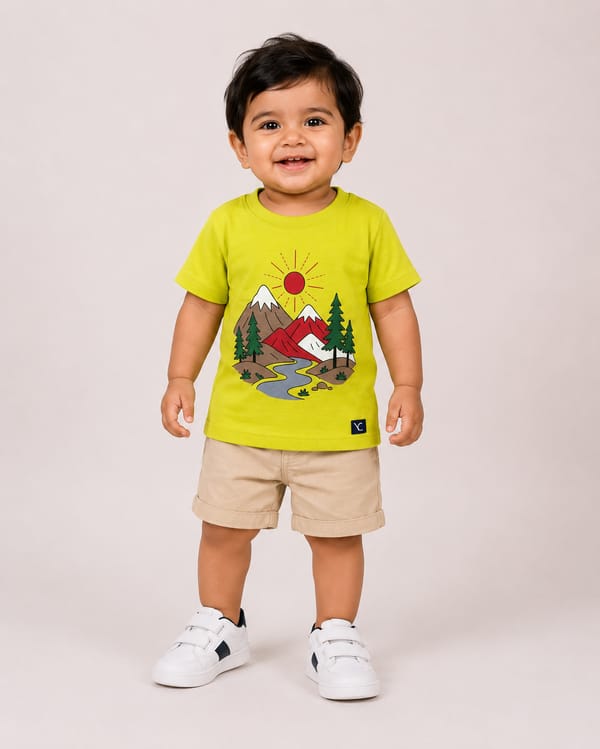
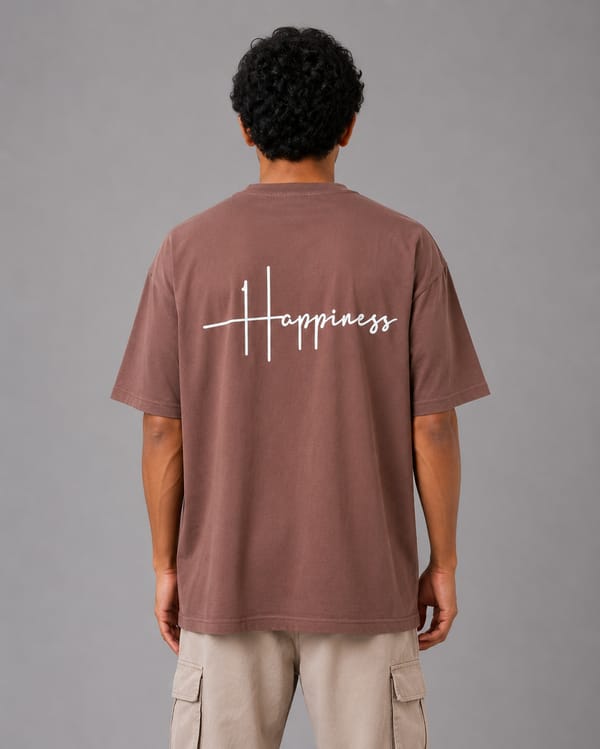
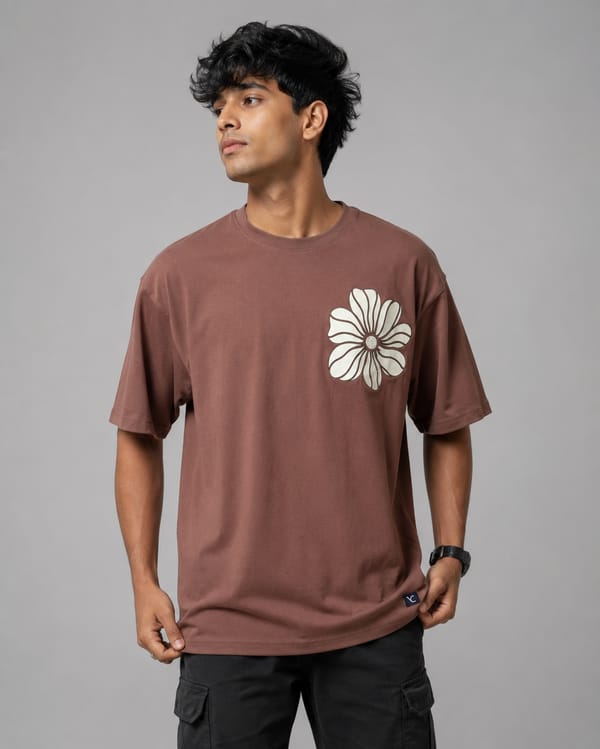
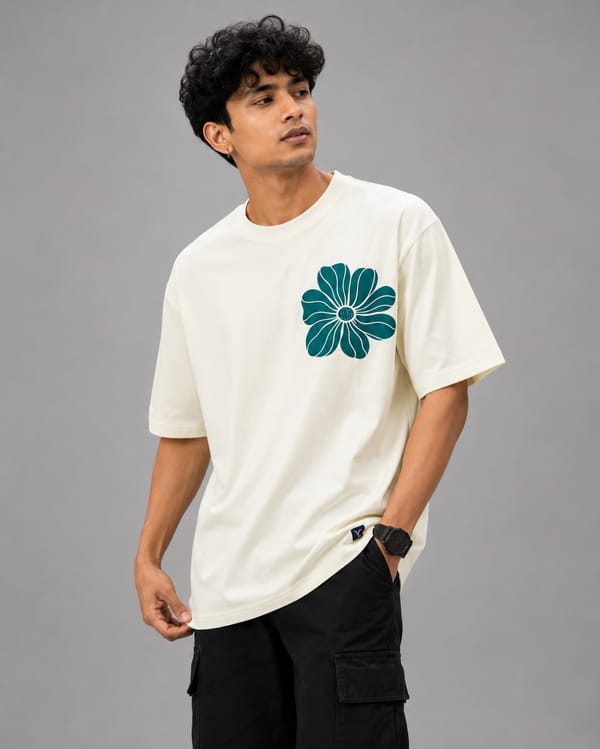
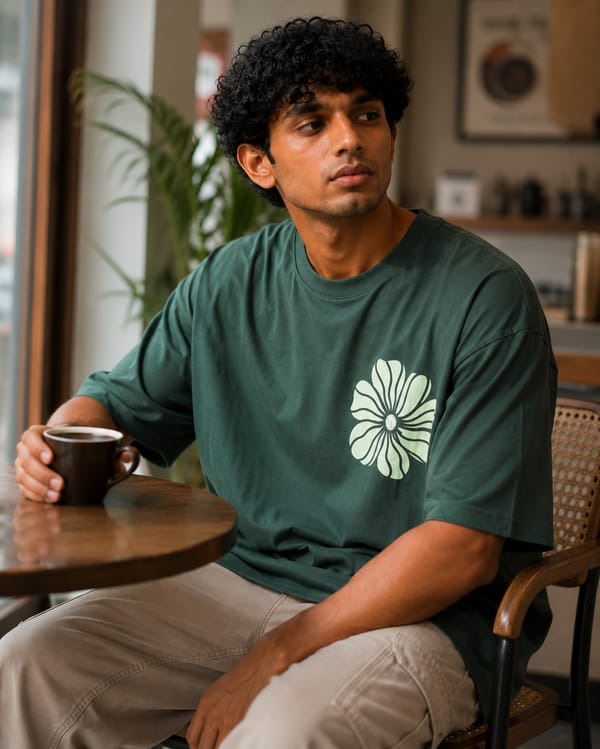
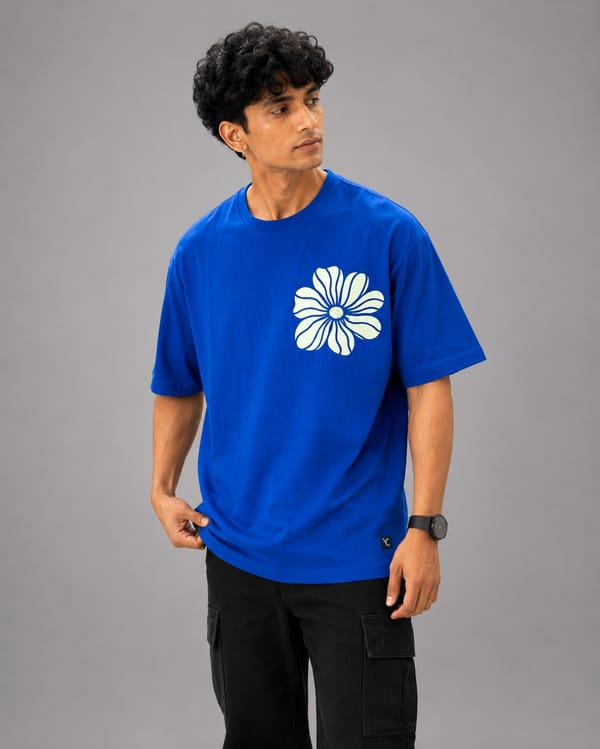
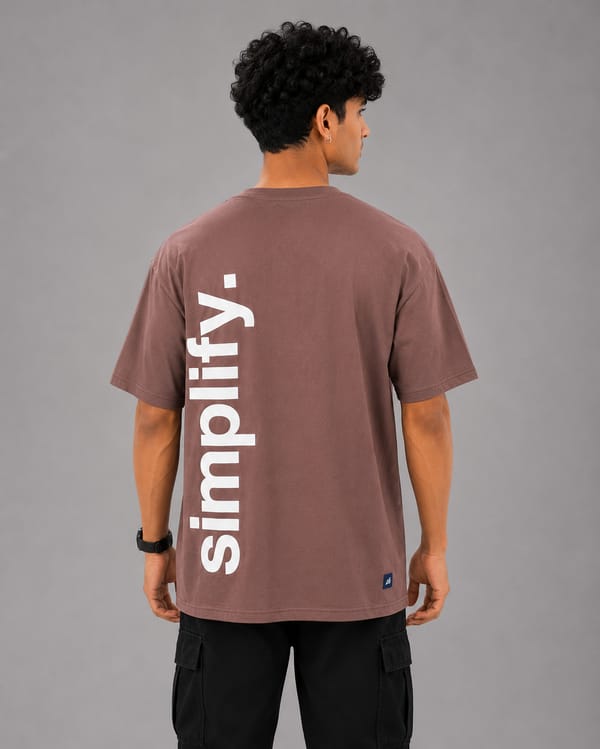
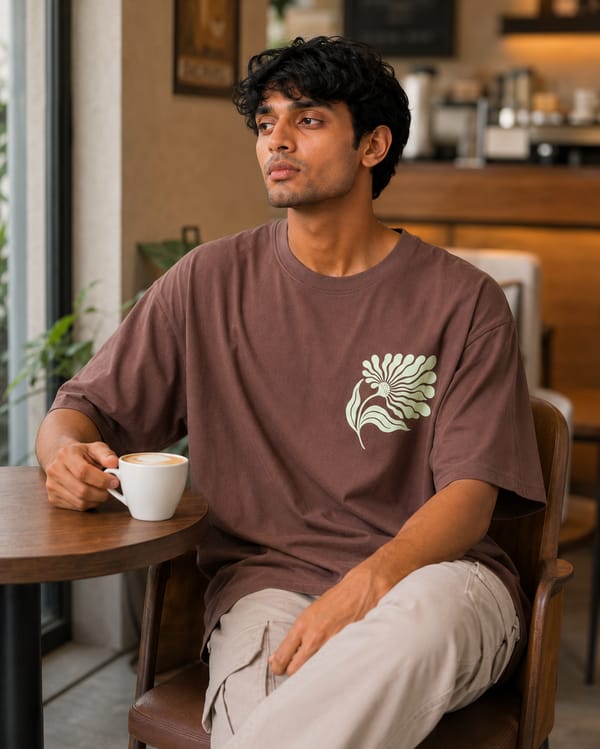
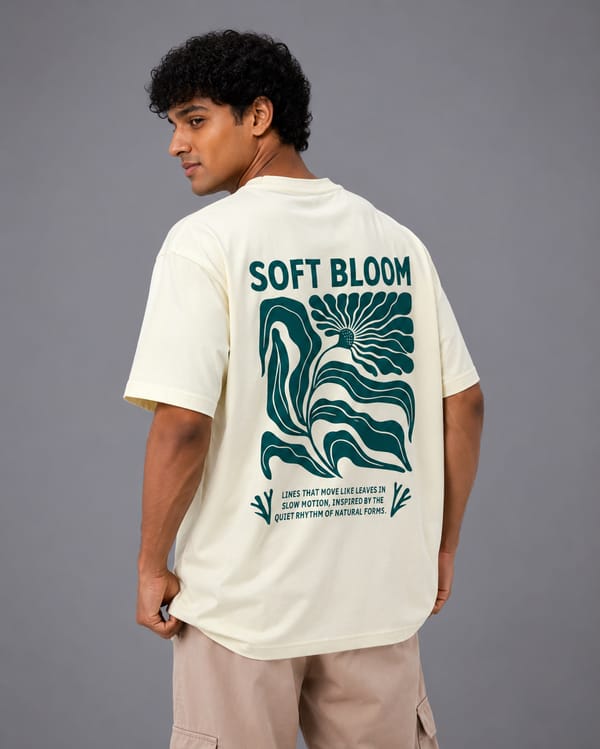
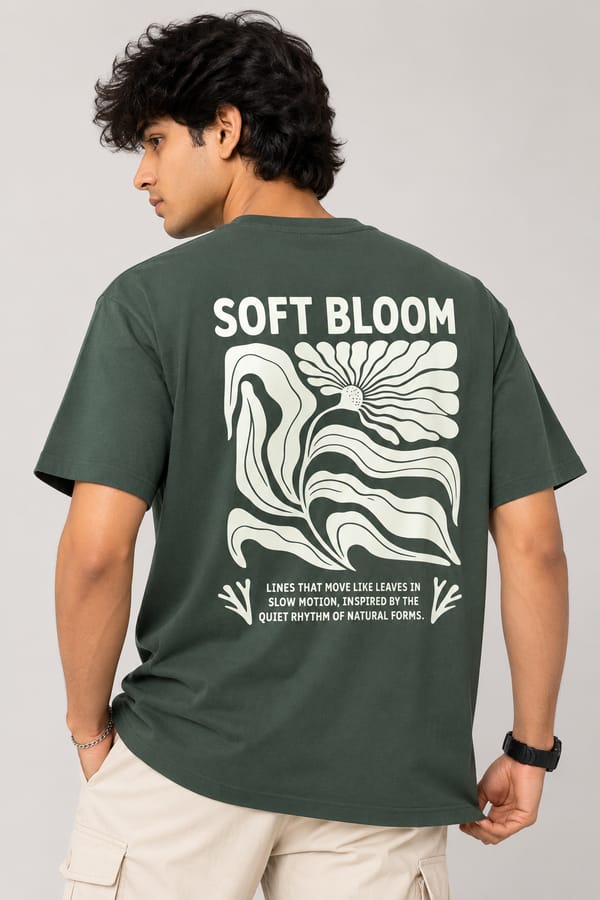
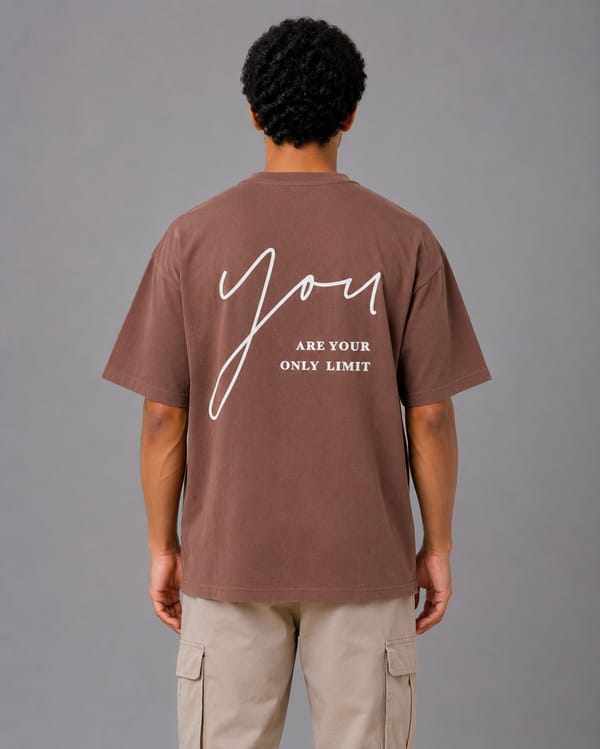
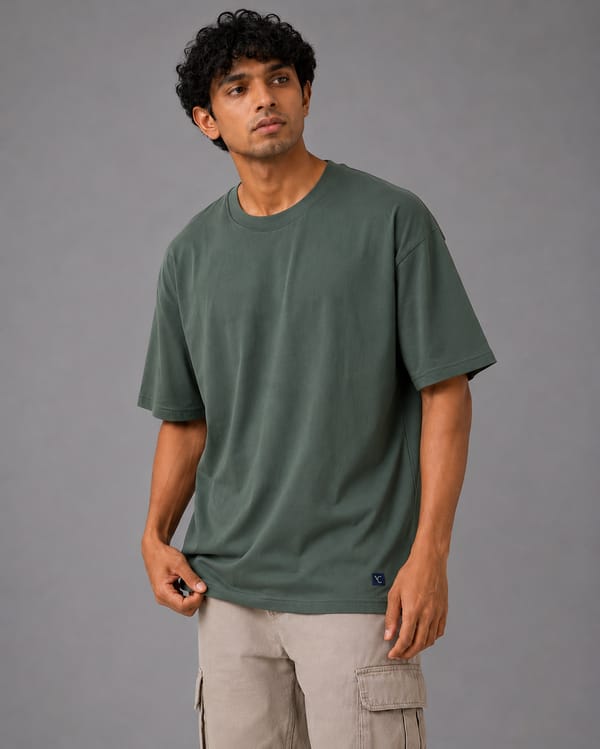
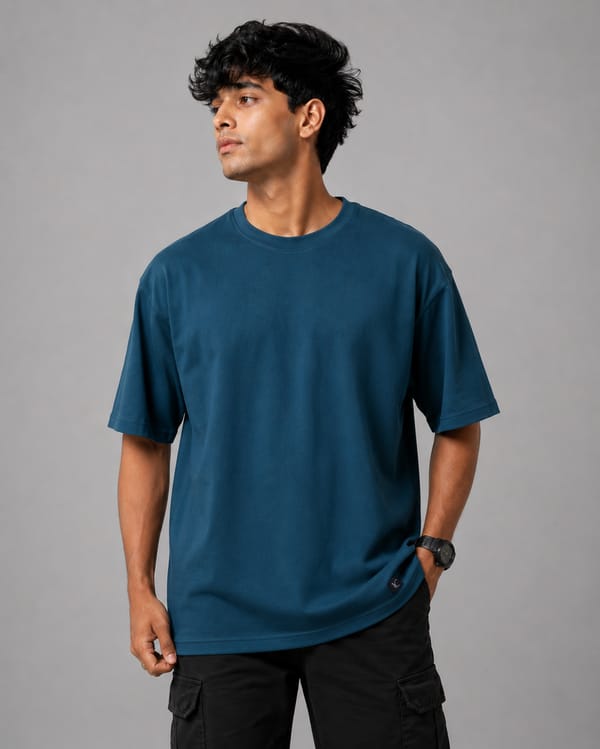
A 230 GSM t-shirt is a heavyweight cotton t-shirt — nearly 30% more fabric per square metre than the 180 GSM tees most brands sell as "premium". Every piece here is 230 GSM combed cotton, in oversized and regular fits, for men and kids.
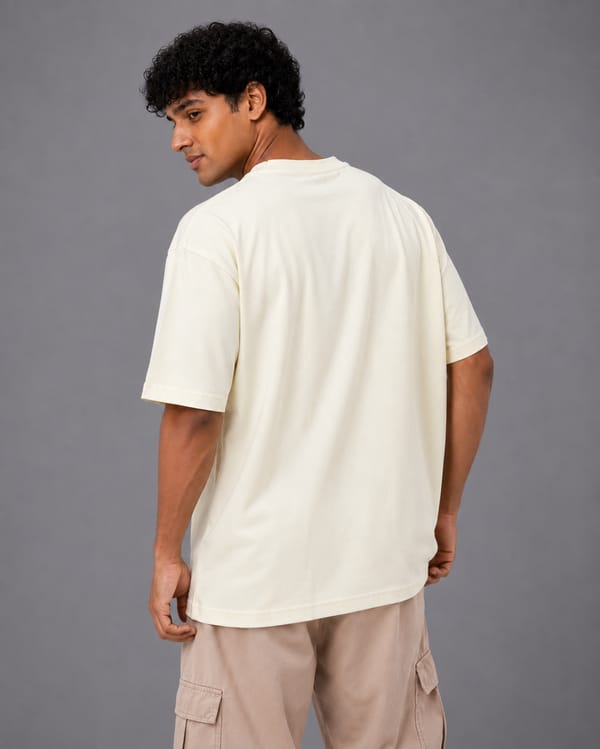
The weight is what you feel first. A 230 GSM knit does not go sheer across the chest, does not cling, and does not thin out at the shoulder seams after twenty washes. It is also what makes an oversized t-shirt hang properly — without the weight behind it, a relaxed cut just billows.
For context: fast-fashion tees run 140–180 GSM, and most "premium" tees in India sit around 180–200. These are pre-shrunk, colour locked to Delta-E < 1.5, and carry a free 7-day size exchange.













Common questions
What is the difference between a 230 GSM t-shirt and a regular one? +
About 50 GSM, which sounds minor and is not. A regular 180 GSM tee is lighter in the hand, more likely to go sheer across the chest, and quicker to lose shape at the collar and shoulders. A heavyweight cotton t-shirt at 230 GSM holds its structure and stays opaque, while still reading as a t-shirt rather than a sweatshirt.
Do these come in an oversized fit? +
Both — oversized drop-shoulder and regular fit. The oversized cut is where the 230 GSM matters most: a relaxed silhouette needs weight behind it to drape instead of billow. Each product page carries its own fit and measurements, and size exchange is free within 7 days.
What GSM is best for a t-shirt? +
For a t-shirt meant to last, 200–240 GSM is the useful band. Below 180 the fabric goes sheer and loses shape quickly; above 250 it starts behaving like a sweatshirt and gets warm for Indian weather. 230 GSM sits at the top of the everyday range — substantial enough to hold structure, still light enough to wear year-round.
Is higher GSM always better? +
No. GSM measures weight, not quality. A 240 GSM carded-cotton tee with a loose knit will pill faster than a well-made 200 GSM combed-cotton one. GSM is only meaningful alongside the yarn and the knit — which is why we specify combed cotton and single jersey, not just the number.
Does 230 GSM feel hot? +
Not in a breathable knit. Warmth comes from how tightly the fabric traps air, not from its weight. These are open single-jersey combed cotton, so they breathe. A heavier cotton also sits away from the skin rather than clinging, which is more comfortable in humidity than a thin tee.
How do you verify the GSM? +
Fabric is checked at the mill before cutting, and the batch is inspected to an AQL standard before it ships. GSM is easy to claim and rarely audited — the number on this page is the number the fabric was accepted against.